


CPLP countries strengthen tourism cooperation around nature, oceans and culture

DÍLI, 31 July 2026 (TATOLI) — Tourism ministers from the Community of Portuguese Language Countries (CPLP) have emphasised the need to make the protection of nature, oceans and cultural heritage a central pillar of cooperation among member states as they work to advance sustainable tourism development.
The statement was made during the opening of the 13th Meeting of CPLP Tourism Ministers in Dili on Friday, held under the theme “Nature, Oceans and Culture as Our Tourism Heritage in CPLP Countries.” The meeting brought together representatives from CPLP member states to strengthen tourism cooperation and establish priorities for the organisation’s 2026–2028 Biennial Action Plan.
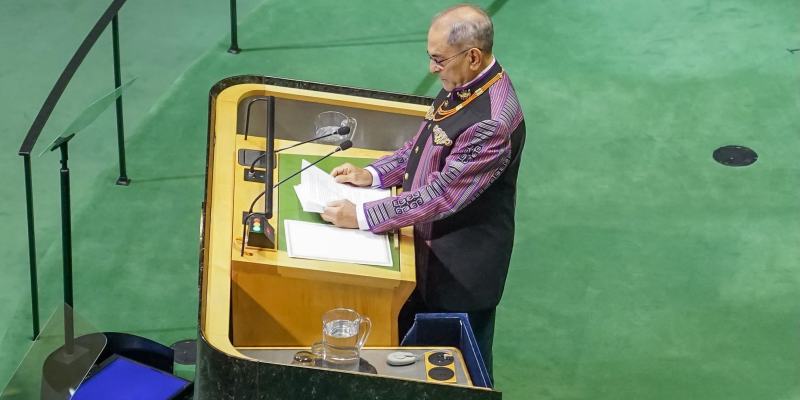
Timor-Leste’s Minister of Tourism and Environment, Francisco Kalbuadi Lay, said natural and cultural assets must remain at the heart of tourism policies, describing them as valuable heritage that defines communities and supports national economies.
“More than tourism resources, nature, oceans and culture are living heritage that define the identity of our peoples, sustain our economies and represent a shared responsibility for future generations,” Kalbuadi Lay said.
He warned that climate change, biodiversity loss, ecosystem degradation and marine pollution pose increasing threats to tourism and called for stronger collective action among CPLP countries.
“Tourism is part of the solution. If we can protect these three forms of heritage, we can create a tourism sector that benefits not only economies, but also people, communities and future generations,” he said.
Kalbuadi Lay highlighted the importance of the ocean to Timor-Leste’s national identity, citing the country’s coral reefs, beaches, marine resources and coastal traditions as key tourism assets. He also pointed to cultural elements, including tais weaving, traditional dances, local cuisine and Timorese hospitality, as important parts of the country’s tourism identity.
CPLP Executive Secretary Maria de Fátima Jardim said the meeting provided an opportunity to strengthen unity among member states and accelerate progress towards the United Nations 2030 Sustainable Development Goals.
“We are here to demonstrate our cohesion, our unity and, above all, our shared commitment to growing together in solidarity by transforming development challenges into opportunities for our countries,” she said.
Jardim said tourism can play an important role in protecting biodiversity, addressing climate change, creating employment, strengthening productive sectors and supporting local communities.
Mozambique’s Secretary of State for Tourism, Fredson Victor Bacar, congratulated Timor-Leste for hosting the meeting and said the theme reflected a strategic vision for the future of tourism cooperation within the CPLP.
“Natural resources, cultural heritage, biodiversity, and coastal and marine landscapes make the CPLP not only an outstanding tourism destination but also a tourism market with global potential,” Bacar said.
He added that tourism should serve as a tool to create jobs, generate income, strengthen value chains and deepen historical and cultural ties among Portuguese-speaking nations.
Cape Verde’s Secretary of State for Tourism, José Pimenta Lima, said protecting nature and culture remains a priority for his country’s tourism policies and a key element of sustainable development.
He said promoting natural landscapes, coastal areas and cultural identity aligns with the United Nations Sustainable Development Goals and strengthens Cape Verde’s competitiveness as a tourism destination.
Representing Portugal, Minister of Economy and Territorial Cohesion Manuel Castro Almeida highlighted the CPLP’s 30th anniversary in 2026, describing the organisation as a platform for dialogue, cooperation and closer ties among Portuguese-speaking countries.
Castro Almeida also highlighted the economic potential of the bloc, saying that according to International Monetary Fund projections for 2026, the combined economies of CPLP member states would rank as the world’s eighth-largest economy.
“The CPLP has today a global economic scale that we must transform into more investment, more trade and more opportunities for our citizens,” he said.
Meanwhile, São Tomé and Príncipe’s Ambassador to Portugal, Esterline Gonçalves Género, said the meeting’s theme represented a vision for the future, noting that CPLP countries possess qualities increasingly valued by international travellers, including authenticity, sustainability and cultural identity.
He highlighted São Tomé and Príncipe’s efforts to preserve biodiversity, including its recognition as a UNESCO Biosphere Reserve, as well as the protection of historic plantations as cultural heritage sites supporting sustainable tourism.
The 13th Meeting of CPLP Tourism Ministers concluded with member states reaffirming their commitment to strengthening tourism cooperation for 2026–2028, based on the protection and promotion of nature, oceans and cultural heritage.
Journalist: Afonso do Rosário
Editor: Isaura Lemos de Deus
Translation: Filomeno Martins