


Vietnam ready to support Timor-Leste in English teaching and digitalization
DÍLI, 5 November 2026 (TATOLI) – Vietnam has expressed its willingness to strengthen education cooperation with Timor-Leste, particularly in digitalization and English-language teaching, as the two countries seek to expand their bilateral partnership.
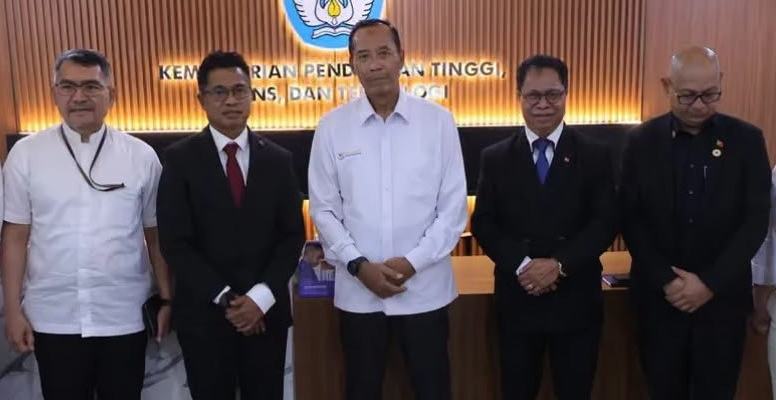
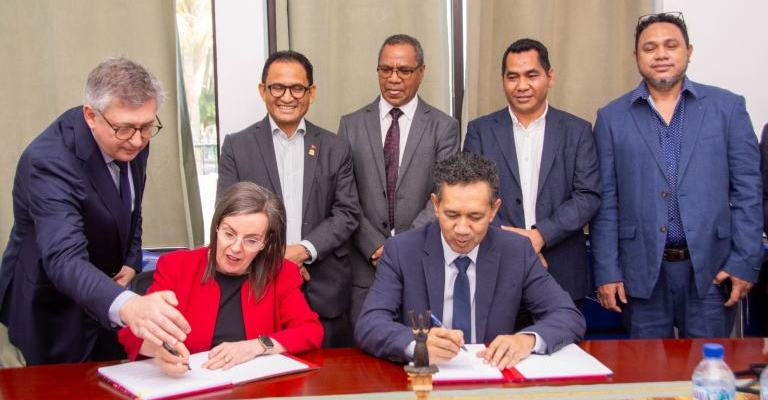
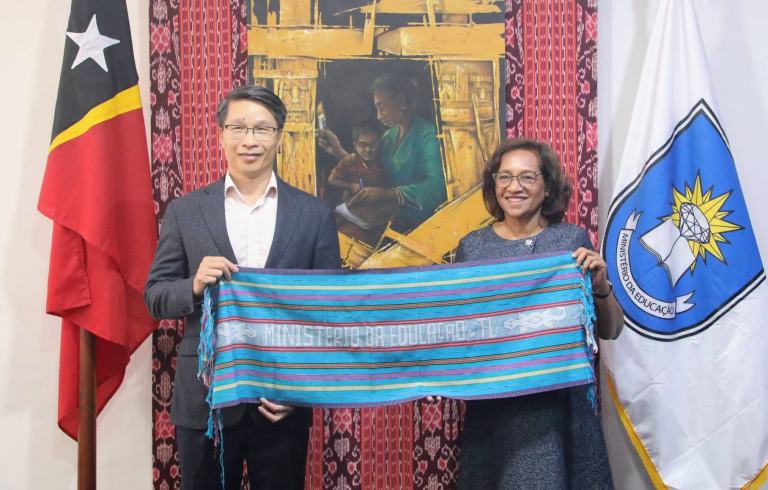
Vietnamese Ambassador to Timor-Leste Pham Binh Dam reaffirmed the commitment during a meeting with Education Minister Dulce Soares in Dili on Thursday. The discussions focused on identifying new opportunities for collaboration between the education ministries of both countries.
Pham said Timor-Leste had significant potential to further develop its education system and that Vietnam was ready to provide support based on the country’s priorities and needs, while coordinating its efforts with other development partners.
He also pointed to the longstanding relationship between the two countries and their shared membership of the Association of Southeast Asian Nations (ASEAN) as important foundations for strengthening cooperation.
Minister Dulce said the meeting followed earlier discussions between the two ministries under an existing bilateral cooperation agreement between Timor-Leste and Vietnam.
She said both sides were working to establish a joint working team to identify priority areas and develop practical initiatives across the education sector.
One proposal under consideration is to introduce English-language instruction at earlier stages of primary education. English is currently taught as part of Timor-Leste’s national curriculum from Grade 7, but the Education Ministry is considering extending it to Grades 5 and 6 from 2027.
According to Dulce, the Vietnamese ambassador had expressed interest in supporting the initiative through a pilot programme at a school yet to be identified. If successful, the programme could subsequently be expanded to other schools.
However, the minister stressed that the proposed change would require careful planning, particularly regarding the availability of qualified English teachers, teaching materials and schools’ capacity to accommodate additional lessons within existing timetables.
She said introducing English at lower grade levels would also require a review of the national curriculum and relevant legal provisions, given the potential implications for the broader structure and organisation of the education system.
As an initial step, the ministry is considering offering English lessons as extracurricular activities in schools that already have the necessary facilities and capacity to implement the programme.
Beyond language education, digital transformation was also identified as an important area for potential cooperation, reflecting both countries’ interest in strengthening education systems and improving learning opportunities.
Journalist: Afonso do Rosário
Editor: Isaura Lemos de Deus
Translation: Filomeno Martins