


From floating homes to a thriving village: The remarkable transformation of Xiaqi

NINGDE, 19 September 2026 (TATOLI) – Rows of permanent houses, restaurants, seafood businesses, and aquaculture activities now define everyday life in Xiaqi Village, located in Ningde, Fujian Province, China. It is difficult to imagine that less than three decades ago, many families in the village lived entirely on boats that served as both their homes and their primary source of livelihood.
This dramatic evolution was witnessed firsthand by a delegation of journalists from ASEAN countries who visited Xiaqi on Saturday. The tour marked the opening activity of the ASEAN Media Workshop program in Fujian, which runs from Sept. 19 to 23, 2026.
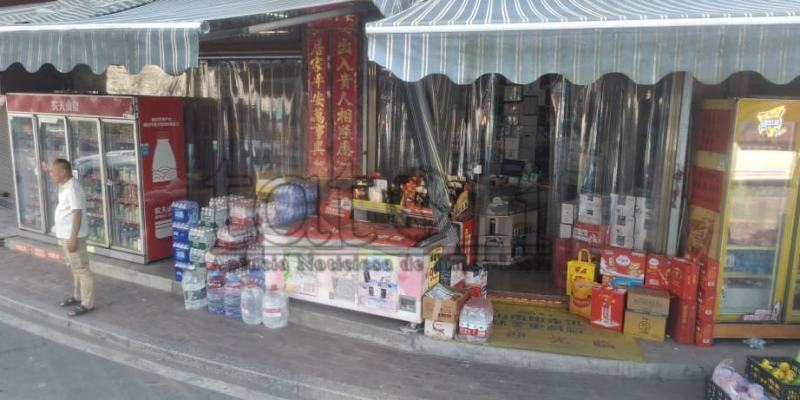
The delegation arrived at Fuzhou Airport at approximately 1:30 p.m. local time after completing a series of activities in Guangxi. From the airport, the group traveled by road for about two hours to Ningde to observe the transformation of one of the region’s most unique fishing communities.
Xiaqi is widely known as a settlement in eastern Fujian where families who lived on boats for generations were collectively relocated to land. Before this relocation, boats were not merely a means of fishing. In the extremely limited space aboard, families cooked, slept, stored fresh water and catches, and raised their children. Multiple generations of a single family often lived together on the same vessel.
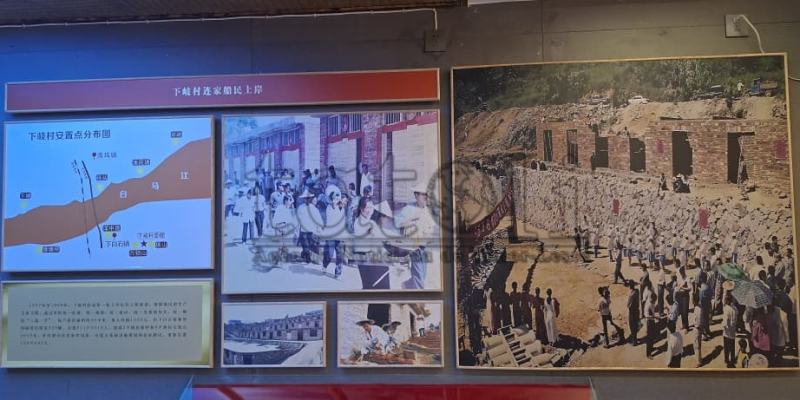 Conditions began to shift when the community was resettled ashore in the late 1990s.
A Diversified economy and rising incomes
Following their move to land, Xiaqi began developing a more diversified economic structure. While fishing remains part of the community’s livelihood, it has been complemented by Aquaculture and seafood trading, seafood processing, restaurants and the service sector, recreational fisheries and eco-tourism.
The transformation is vividly reflected in rising household incomes. Data provided to the delegation showed that the per capita net income of Xiaqi residents, which stood at less than 1,000 yuan before relocation, surged to 32,788 yuan in 2023.
In recent years, Xiaqi has integrated fisheries with tourism through a “recreational fishery plus eco-tourism” model. The unique identity and history of the fishing community now serve as major attractions for visitors eager to learn about its journey.
“Born on a fishing boat”
Behind Xiaqi’s physical transformation are the deeply personal stories of residents who experienced the hardships of the former lifestyle.

One such resident is Zheng Yue Er, a woman born in 1979, who met with the ASEAN journalists during their visit.
“I was born on a fishing boat. As a child, I experienced life among the fishing community, living on boats,” Zheng told the delegation.
After spending her early childhood on a boat, her family moved into a stilt house where she lived for several years. Following her studies, Zheng left her hometown briefly to seek employment elsewhere before returning to work in Xiaqi in the late 1990s. Having spent nearly 30 years working in her home village, she witnessed the long, gradual process of the community moving ashore.

“I would say it came from the joint efforts of both the government and the community,” Zheng said when asked who contributed most to Xiaqi’s development.
According to Zheng, the government provided land and established essential infrastructure, including water supplies, electricity, roads, and communications during the initial stages of relocation. Residents also received a one-time subsidy of around 1,300 yuan per person to help them settle ashore and build homes. Support eventually expanded to encompass healthcare, elderly care, children’s education, youth employment opportunities, and skills training.
“In the past, our fishing community relied almost entirely on traditional fishing. Later, we received training in aquaculture and other practical skills, helping us expand our employment opportunities,” she explained.
Transformation beyond income
For Zheng, one of the most profound changes experienced by the community involves health and safety.
When families lived on boats, they were constantly exposed to strong winds, waves, and harsh weather, with access to healthcare being extremely limited. She recalled that some residents died at relatively young ages because they could not receive timely medical treatment, and infants were exceptionally vulnerable.
“In the past, some people died in their 40s or 50s because medical services were difficult to access. Today, many people can live into their 70s or 80s,” she explained.

Xiaqi’s population has now reached approximately 3,570 people, reflecting an increase of about 800 residents since the community began moving ashore with a population of roughly 2,770.
Ningde welcomes the ASEAN delegation
Following their visit to Xiaqi, the delegation traveled to the Wanda Realm Ningde to attend a dinner hosted by representatives of the Ningde Municipal Government.
Li Ruihua, Deputy Director of the Publicity Department of the CPC Ningde Municipal Committee, welcomed the journalists and expressed hope that the visit would offer them a broader understanding of the region.
“I believe Ningde as a whole will leave everyone with a very positive impression,” Li Ruihua said in his welcoming remarks. “On behalf of the Ningde Municipal Party Committee and Municipal Government, I sincerely welcome all of you. I wish you all the very best and a smooth and successful visit.”
Starting Sept. 20, the journalists will continue visiting various locations across Ningde and other areas of Fujian Province to observe ongoing developments in the local economy, culture, and community life.
Journalist: Cidalia Fátima
Editor: Rafael Ximenes de A. Belo