


International Coffee Day: UN highlights coffee’s role in livelihoods and sustainable development
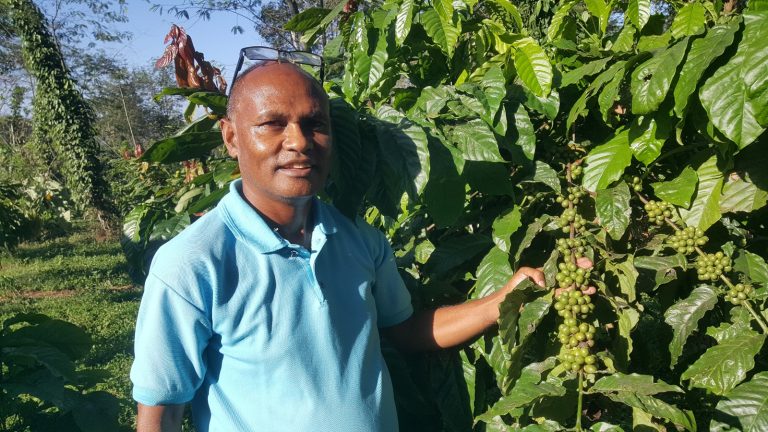
DILI, 01 October 2026 (TATOLI) — The United Nations is marking International Coffee Day for the first time on Thursday, highlighting the economic, social, environmental and cultural importance of coffee and the millions of people whose livelihoods depend on the crop.
Observed under the theme “Celebrating Coffee, Honouring the People Behind Every Cup,” the day highlights coffee’s contribution to rural development, food security and sustainable agrifood systems.
The United Nations General Assembly designated 1 October as International Coffee Day through Resolution 80/248, adopted on 10 March 2026.
The resolution recognises coffee as an important agricultural commodity and source of livelihoods, as well as its role in social interaction, cultural expression and traditions passed down through generations.
The General Assembly recognised the “cultural, social and historical significance of coffee, from its origins to its significant role in the development of contemporary societies, in which it has become not only an important agricultural commodity and source of livelihood for communities, but also a symbol of social interaction, cultural expression and everyday tradition across generations.”
According to the UN, coffee is the world’s most widely traded tropical product and one of its most widely consumed beverages.
Up to 25 million farming households, largely in developing countries, produce around 80 per cent of the world’s coffee. Brazil, Viet Nam and Colombia are the leading producers, while the European Union and the United States are the largest importing and consuming markets, the UN said.
Behind every cup is a global supply chain involving farmers, workers, traders, processors, roasters, retailers and consumers. The process begins with farming communities and extends through harvesting, processing and international trade before coffee reaches cafés and homes around the world.
However, growing demand has not translated into equal benefits across the sector.
“Demand continues to grow, but prosperity is not shared equally. Market instability, rising costs and the uneven distribution of income across the value chain can leave millions of smallholder producers carrying the greatest risks while receiving only a limited share of the value their work creates,” the UN said.
The UN said governments, businesses, producers, workers and consumers all have a role to play in developing a coffee sector that is more sustainable, resilient and equitable.
The observance calls on governments, international organisations, civil society, Indigenous Peoples, local communities, businesses, academia and other stakeholders to share knowledge and promote a fairer and more sustainable coffee industry.
International Coffee Day also draws attention to the environmental challenges facing coffee-growing communities and the need for sustainable agricultural practices, resilient production systems and stronger support for smallholder farmers.
The UN said the observance provides an opportunity to recognise the people, communities and environments behind the global coffee industry while encouraging greater cooperation across the coffee value chain.
TATOLI