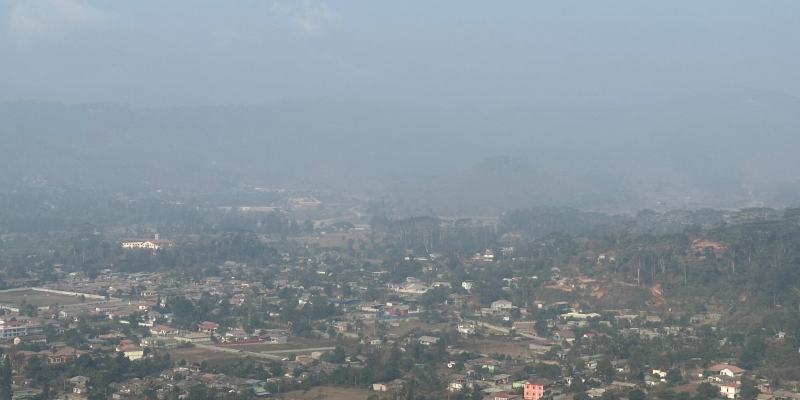



Timor-Leste Haze: Air quality improves as pollution levels fall
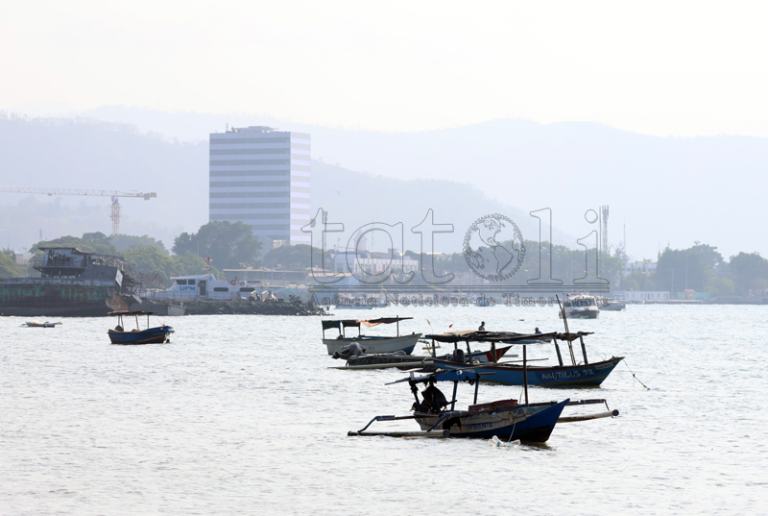
DILI, 20 October 2026 (TATOLI) — Air quality in Timor-Leste has improved after days of haze, with pollutant concentrations in Díli, the country’s capital, falling by more than 50%, according to the National Directorate of Meteorology and Geophysics (DNMG).
The improvement was reported in a DNMG bulletin issued on October 19, following air quality monitoring conducted between October 16 and 18.
“After the weekend, air quality in Timor-Leste showed good progress. At Komoro Airport in Dili, pollutant concentrations fell by more than 50%, indicating an improvement in air quality since October 5,” according to the Bulletin.
Data from international air quality monitoring platform IQAir also showed a sharp decline in pollution levels at a monitoring station in Dili between October 18 and 20.
At 10 a.m. on October 18, Dili recorded an Air Quality Index (AQI) of 204, classified as very unhealthy, with fine particulate matter (PM2.5) reaching 129 micrograms per cubic metre (μg/m³).
However, air quality improved significantly over the following two days. Readings from the IQAir monitoring station at Dili International School showed the AQI had fallen to 44, classified as good, between 11 a.m. and noon on October 20.
The readings suggest a substantial improvement in air quality at the monitored location. However, pollution levels can differ across the capital and fluctuate with weather conditions and local emission sources, so the figures may not represent air quality throughout Dili.
PM2.5 consists of airborne particles measuring 2.5 micrometres or less in diameter. Because these particles can penetrate deep into the lungs, exposure can pose health risks, particularly for children, older people and those with respiratory conditions.
Despite the improvement, DNMG has urged residents to remain vigilant, warning that air quality could deteriorate again depending on weather conditions and human activities in each municipality.
“Based on weather conditions over the past few days, air quality remains at good to moderate levels. However, these conditions may change depending on local circumstances in each municipality,” according to DNMG.
DNMG also warned that open burning in urban and rural areas could contribute to renewed haze and increased concentrations of airborne pollutants.
The recent haze affecting parts of Timor-Leste raised public health concerns and disrupted education. In response, the government temporarily suspended face-to-face classes nationwide from October 15 to 17 at preschool, secondary and technical-vocational Schools.
DNMG said it would continue monitoring air quality through its observation stations and issue updated information if significant changes were recorded.
Residents can monitor pollution levels in Dili through the IQAir platform. Authorities have also encouraged the public to avoid open burning and follow official air quality updates, particularly if haze returns.
Reporter: Cidalia Fátima
Editor: Armandina Moniz
Translation: Filomeno Martins