


Timor-Leste to submit report on haze pollution to ASEAN
DÍLI, 20 October 2026 (TATOLI) — Timor-Leste will prepare a report on the impact of transboundary haze pollution and share it with other Association of Southeast Asian Nations (ASEAN) member states to raise regional awareness and encourage collective action.
National Directorate of Pollution Control (DNCP) Director Arlindo Silveira said the report would document the pollution affecting the country and alert regional partners to the need for a coordinated response to the environmental problem.
“We will prepare a report to communicate the conditions occurring in Timor-Leste to other ASEAN member states, so that this issue can become a shared concern,” Arlindo told TATOLI on Tuesday on the sidelines of World Ozone Week 2026 at Timor Plaza in Dili.
He said regional cooperation was essential because haze and air pollution could spread across national borders, making it difficult for individual countries to address the problem in isolation.
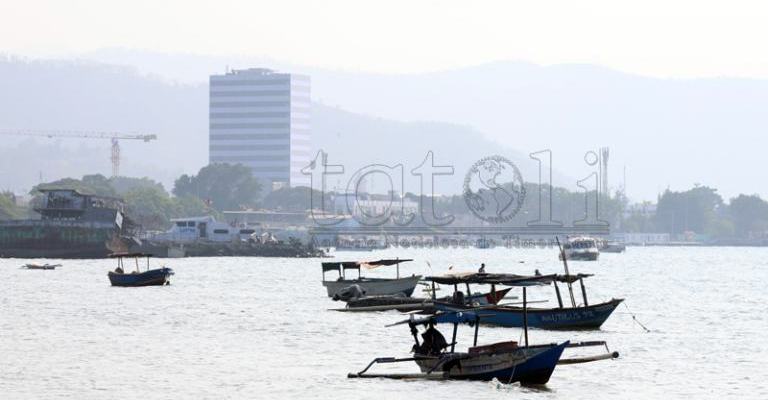
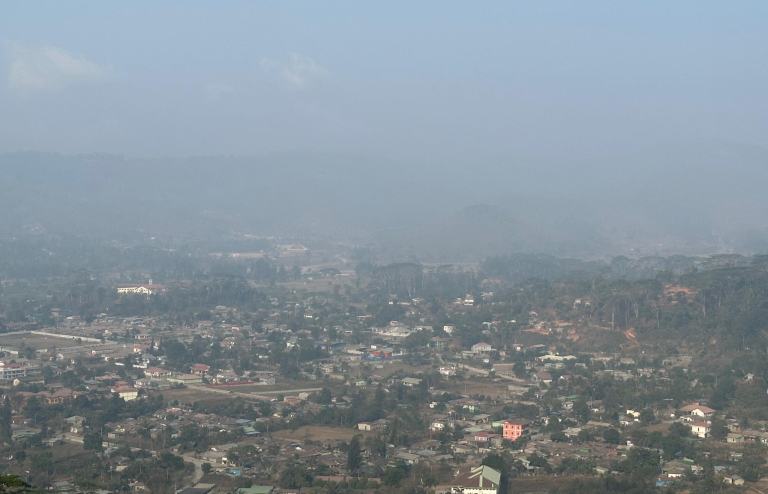
Timor-Leste has experienced haze in recent weeks, with deteriorating air quality reported in several areas, including the capital, Dili.
The pollution has coincided with hot weather, raising concerns about potential health risks for residents.
Arlindo urged the public to take precautions when air quality deteriorates, including limiting outdoor activities, seeking shelter and wearing face masks when going outside is unavoidable.
“Therefore, we ask the public to remain in safe places and wear masks when they need to carry out activities outdoors,” he said.
Meanwhile, the National Directorate of Meteorology and Geophysics (DNMG) reported on 19 October that air quality had begun to improve following the haze that affected the country the previous week.
DNMG monitoring data from Dili showed that pollutant concentrations had fallen by more than 50%, indicating a significant improvement in air quality.
However, the DNMG cautioned that air quality could deteriorate again depending on weather conditions and human activities. Open burning was identified as a particular concern because it could increase pollutant concentrations.
As a precaution against potential health risks linked to the pollution, the government temporarily suspended face-to-face classes nationwide from 15 to 17 October.
Timor-Leste’s planned report is intended to bring the issue to the attention of ASEAN partners and reinforce the need to address transboundary haze pollution through regional cooperation.
Journalist: Cidalia Fátima
Editor: Armandina Moniz
Translation: Filomeno Martins