


PM Gusmão urges women entrepreneurs to boost local production
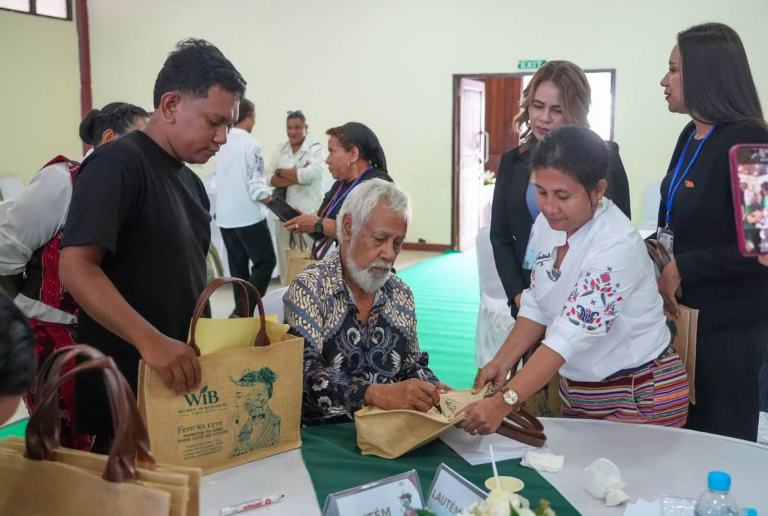
DILI, 25 October 2026 (TATOLI) – Prime Minister Xanana Gusmão, has called for stronger support for women-led businesses and domestic producers, saying increased local production is essential to reducing the country’s reliance on imported goods.
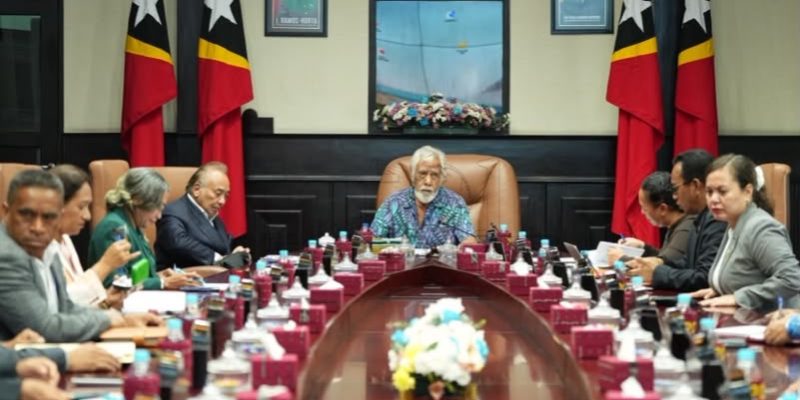
Speaking at the opening of the first National Conference of Women Entrepreneurs at the Dili Convention Centre on 24 October, Gusmão urged women entrepreneurs to expand their businesses gradually, improve product quality and make better use of the country’s available resources.
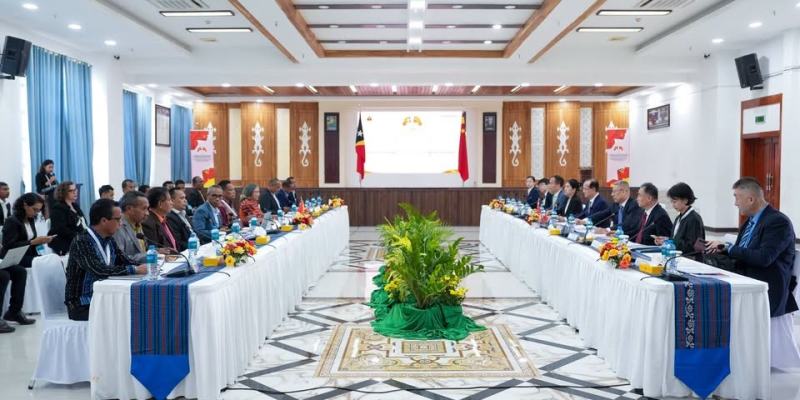
The two-day conference, held on 24–25 October under the theme “Strengthening and Improving National Production”, was organised by Women in Business (WiB) Timor-Leste. It brought together women entrepreneurs, cooperatives, producer groups, government and parliamentary representatives, diplomats, development partners and other business stakeholders.
Gusmão said Timor-Leste continued to depend heavily on imports and stressed the importance of government support for the productive sector, including businesses owned and operated by women.
“This year, we have seen that our dependence on imports remains high. Therefore, it is very important for the Government to support the productive sector, including women engaged in business activities,” he said.
The Prime Minister encouraged women entrepreneurs to adopt a long-term approach to business development, focusing on product quality and identifying goods that could be produced locally using available resources. He also highlighted organic production as a potential way to distinguish Timorese products in the market.
He said expanding domestic production did not necessarily require major industrial investments at the outset. Instead, businesses should first build on existing production capacity and identify opportunities to supply the domestic market with locally made goods.
“We do not need to start by building large factories. First, we must identify what we can produce, not only for export but also to reduce imports, because we spend money buying products from abroad. This conference is intended to encourage you to identify what you can do,” Gusmão said.
He also highlighted the role of micro, small and medium-sized enterprises (MSMEs) in generating economic activity, creating jobs and increasing household incomes. He said support for the private sector should translate into tangible opportunities for businesses and contribute to the country’s broader economic development.
In this regard, Gusmão pointed to the National Development Bank as a mechanism to improve access to financing for smaller businesses and help them expand their activities.
“That is why the Government established the National Development Bank to provide loans to micro, small and medium-sized enterprises, support their business activities and develop the national economy. We provide loans not so that the bank can seek to become wealthy, but to help small businesses grow,” he said.
Gusmão also called for greater attention to the economic potential of individual municipalities, particularly in agriculture and tourism. He identified community-based tourism and ecotourism as areas that could create jobs, generate income and expand economic opportunities for local communities.
During the conference, WiB Timor-Leste outlined five priority areas aimed at strengthening women’s participation in the economy and improving the competitiveness of their businesses.
These include organising women entrepreneurs into business groups based on local economic potential; improving the processing, packaging, branding and market value of domestic products; facilitating access to finance; strengthening links between producers and markets; and developing skills in productivity, business management, digital tools, mentoring and leadership.
WiB Timor-Leste coordinator Maria Braz said women were already making significant contributions to the country’s MSME sector through trading, food production and processing, tais weaving and other economic activities.
“The problem is not a lack of capacity, but the scale of businesses, coordination, and access to capital and markets,” Braz said.
The organisation also aims to strengthen links between women producers and businesses and potential buyers in hotels, restaurants, schools, public procurement and the tourism sector. The initiative is intended to create more reliable market opportunities for locally produced goods and help women-owned businesses reach a wider customer base.
WiB planned to turn the conference into an annual initiative, working with the Government, the private sector, development partners and business associations to establish clear targets and publicly report on progress.
The organisation committed to presenting an update on the implementation of the commitments made at the conference in October 2027.
TATOLI