


Timor-Leste must strengthen climate adaptation and water security, says Ramos-Horta
DILI, 28 November 2026 (TATOLI) – President of the Republic Jose Ramos-Horta has called for greater investment in climate adaptation, water security and resilient infrastructure, warning that climate change poses growing risks to Timor-Leste and other Pacific island nations.
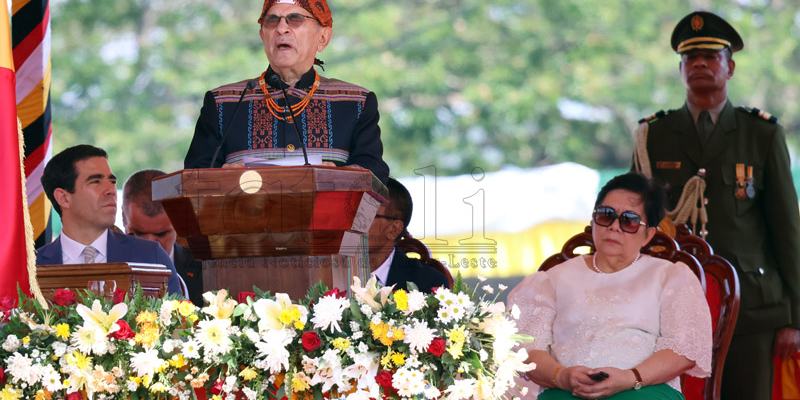
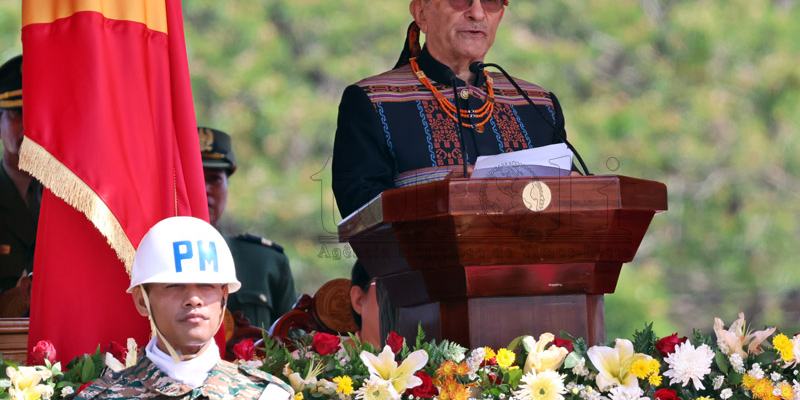
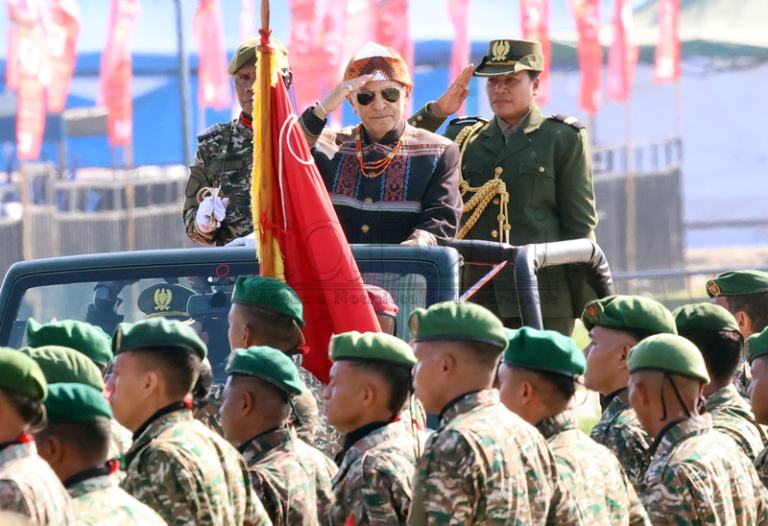
Speaking at the 51st anniversary of the Proclamation of Independence in Tasi Tolu, Dili, on Saturday, Ramos-Horta said Timor-Leste and its Pacific neighbours were particularly vulnerable to extreme weather events, irregular rainfall, environmental degradation and coastal erosion.
He said these challenges threatened agriculture, fisheries and food security, while disrupting people’s livelihoods and access to essential services.
“When the rains are delayed, farmers are left uncertain about when to sow their crops. When water sources diminish, families face even greater hardship. When storms or floods destroy roads and bridges, entire communities can become isolated,” he said.
The president stressed that climate adaptation funding must translate into practical improvements for vulnerable communities, rather than remain limited to financial pledges and policy commitments.
He said investment should prioritise reliable water supply systems, climate-resilient infrastructure, coastal protection, climate-adapted agriculture and better living conditions.
Ramos-Horta also called for stronger domestic efforts to protect the environment, saying Timor-Leste must demonstrate its commitment to conservation through concrete action at home.
“We cannot advocate for the conservation of nature abroad while ignoring the degradation of our own soils, rivers, forests and coastal areas,” he said.
He also highlighted the impact of seasonal fires in Indonesia, particularly in Papua, saying Timor-Leste experienced their harmful effects with unusual intensity for the first time in 2026.
Smoke from the fires reached Timor-Leste, worsening air quality and raising concerns about public health, he said.
According to data released by MapBiomas Indonesia covering January to September 2026, Papua’s six provinces recorded the country’s largest burned area, at 313,777 hectares.
The report also recorded 297,732 hectares burned across Bali, Nusa Tenggara and Maluku, followed by 258,149 hectares in Kalimantan and 233,474 hectares across Sumatra, Java and Sulawesi.
Turning to water security, Ramos-Horta warned that Timor-Leste was already facing water stress, making it increasingly important to strengthen the management and sustainable use of available water resources.
He called for greater investment in collecting and utilising different water sources, developing strategic water storage infrastructure and expanding wastewater treatment and reuse.
The president said these measures were essential to strengthening the country’s capacity to cope with climate pressures and ensuring communities had reliable access to water.
His remarks formed part of a broader reflection on the challenges facing Timor-Leste in the 21st century, highlighting the importance of environmental protection, climate resilience and human security in safeguarding the country’s independence and future development.
TATOLI