


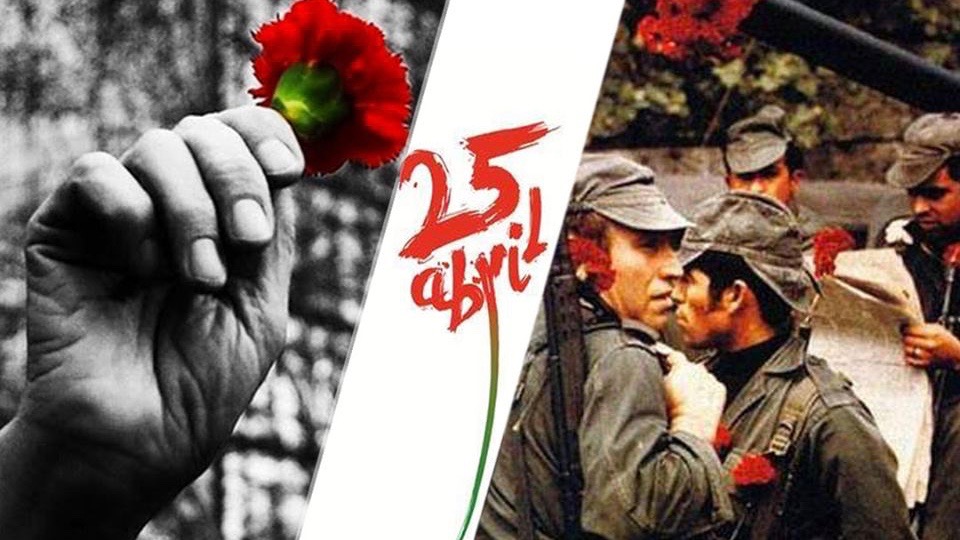
DILI, April 25, 2022 (TATOLI) – The Portuguese Embassy in Dili commemorates the 48th anniversary of the 25 April Revolution with the screening of the documentary film “Another Country”, by Sérgio Tréfaut.
The Portuguese ambassador, Manuela Bairos, said the Revolution of the Carnation is a party of democracy, a celebration of the independence of Portuguese-speaking countries and a party of new relations with all Portuguese-speaking countries.
He noted that April 25 is a freedom return to the people and this “is the basis of the dignity of citizens and the new concept of citizenship”, he said.
Manuela Bairos recalls that, after the Revolution of the Carnation, Portugal established a democratic regime, which allowed access to rights such as education, health, and social security.
The ambassador added that “the military wanted to end the colonial war and, therefore, at the time the idea was to negotiate independence with all Portuguese-speaking countries, including Timor-Leste”, he said.
It is Known that, The revolution began as a coup organized by the Armed Forces Movement (Portuguese: Movimento das Forças Armadas, MFA), composed of military officers who opposed the regime, but it was soon coupled with an unanticipated, popular civil resistance campaign.
Negotiations with African independence movements began, and by the end of 1974, Portuguese troops were withdrawn from Portuguese Guinea, which became a UN member state. This was followed in 1975 by the independence of Cape Verde, Mozambique, São Tomé and Príncipe, and Angola in Africa and the declaration of independence of East Timor in Southeast Asia.
These events prompted a mass exodus of Portuguese citizens from Portugal’s African territories (mostly from Angola and Mozambique), creating over a million Portuguese refugees – the tornados.
The carnation revolution got its name from the fact that almost no shots were fired and from restaurant worker Celeste Caeiro offering carnations to the soldiers when the population took to the streets to celebrate the end of the dictatorship, with other demonstrators following suit and carnations placed in the muzzles of guns and on the soldiers’ uniforms.
Journalist: Afonso do Rosario
Editor: Maria Auxiliadora
Translation: Jose Belarmino De Sa