


World Bank: Better fiscal management can boost economic growth in TL

DILI, 09 november 2021 (TATOLI) – New Report of World Bank Urges a Change of Course for Better and more Sustainable Spending.
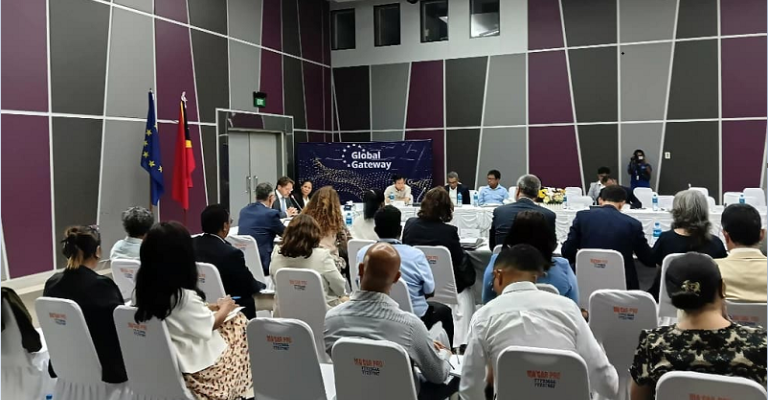
Prioritizing and improving the quality of public spending and increasing domestic revenue is crucial to promote inclusive and sustainable economic growth in Timor-Leste, according to a new World Bank report launched today.
Better spending in health and education is key, as these sectors play an essential role in the country’s long-term development and the fight against poverty.
According to the Timor-Leste Public Expenditure Review, while economic growth has slowed over the past decade, the country now has some of the highest rates of public expenditure in the world – nearly 90 percent of GDP. Domestic revenue collection is low at 8 percent of GDP compared to a 15 percent average for the region. This imbalance in income and expenditure has resulted in a large budget deficit which threatens fiscal sustainability.
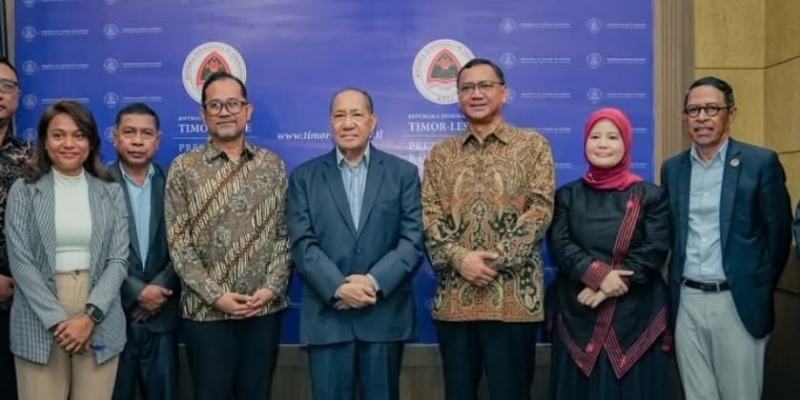
“This report comes at a time when the Ministry of Finance is working on the Public Finance Management Reform, which is a key priority of the Program of the 8th Constitutional Government. Indeed, this exercise gives us clear warnings that the distance to a fiscal cliff will become shorter if Timor-Leste’s public expenditure continues to grow at the current pace (28% per year), we will continue to live with large budget deficits, threatening fiscal sustainability. A reality that requires significant deceleration in current expenditure today rather than having to reverse it later when the petroleum wealth becomes scarce,” said Rui Augusto Gomes, Minister of Finance, in Dili, on Tuesday.
The report highlights the need to improve the quality of public spending, especially in areas related to human capital.
Increases in health and education spending over the years have enabled critical investments but have not translated into markedly better service delivery.
Timor-Leste lags behind the region with high child stunting rates and poor-quality education infrastructure, despite relatively high budget outlays of 7-8 percent of GDP. Better budgeting and resource mobilization can improve outcomes in these areas.
“Timor-Leste has been very successful in creating a Petroleum Wealth Fund from oil and gas revenues. However, our review shows that under current spending, the petroleum fund could be depleted by the end of the decade. Therefore, it is important that the country uses its reserves wisely to support and diversify its economy and it uses its revenues more efficiently and effectively.” said Bernard Harborne, World Bank Country Representative for Timor-Leste.
The report outlines policy options to help Timor-Leste increase revenue collection and improve the efficiency of spending to maintain more sustainable economic growth.
The Timor-Leste Public Expenditure Review (PER) aims to support the Government of Timor-Leste in identifying key constraints to efficient and effective public spending and offer ways to improve the spending quality to achieve the country’s development objectives.
Key Findings
- Accelerating and sustaining economic growth is key to reducing poverty and raising living standards in Timor-Leste.
- High public expenditure levels with limited domestic revenues bring a large budget deficit which threatens fiscal sustainability and endangers macroeconomic stability.
- Domestic revenues are very low by international standards and need to be improved.
- The government expenditure levels have been among the highest in the world over the past decade.
- Enhancing the efficiency and effectiveness of public spending is essential to improve the impact of fiscal policy.
- An increase in health spending over the years has enabled critical investments in the health sector but it has not translated into markedly better service availability and quality.
- Increasing the efficiency and effectiveness of public expenditure will be crucial to improve the provision of health and nutrition services and create fiscal space for more productive spending.
- Significant efforts have been made to rebuild the education system and improve access to education, but the spending on education has not translated into commensurate improvements in learning outcomes.
- Improving the allocative and technical efficiency of public spending on education would help boost learning outcomes.
Journalist: Filomeno Martins
Editor: Nelia Borges Rosario