


HNGV registers 333 cases of hepatitis in the second quarter of 2022

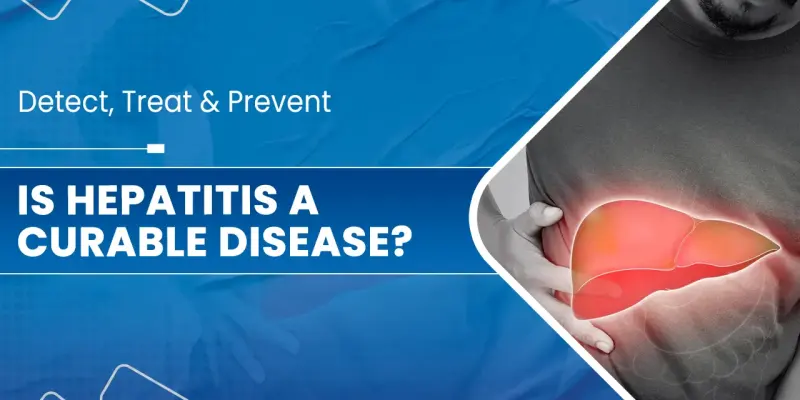
DILI, 29 july 2022 (TATOLI) – The Guido Valadares National Hospital (HNGV) registered 333 cases of hepatitis in the second quarter, revealed hepatologist Célia Gusmão.
“We registered 333 cases between april and july, including 175 men and 158 women,” Gusmão told TATOLI, in Bidau, Dili.
According to the doctor, children and pregnant women need to receive vaccines against the disease to prevent infections.
“There are five main hepatitis viruses, referred to as types A, B, C, D, and E, but the B variant is more dangerous. The transmission of hepatitis is the same as HIV/AIDS, like a mother-to-child transmission or sexual intercourse. This disease weakens the immune system,” she said.
Gusmão said treatment for hepatitis takes time, saying long-term infection with hepatitis B can cause liver cancer: “Hepatitis B patients are dependent on antivirus drugs,” she noted.
The hepatologist urged hepatitis B patients to visit health centers for intensive treatment.
According to data from the World Health Organization (WHO), an estimated 354 million people worldwide live with hepatitis B or C and a person dies every 30 seconds from viral Hepatitis-related illness.
“South-East Asia has 20% of the global morbidity burden of hepatitis. An estimated 218,000 people died due to hepatitis in the Region in 2019. About 95% of all hepatitis-related deaths are due to cirrhosis and liver cancers caused by the hepatitis B and C virus,” said WHO Regional Director for South-East Asia, Poonam Khetrapal Singh.
Hepatitis B and C share the same mode of transmission as HIV such as unprotected sexual intercourse, sharing of needles and sharps, transfusion with infected blood, semen, and other body fluids, and Mother to Child Transmission.
When it comes to the prevention of this disease, it is important that the population needs a healthy diet, hygiene habits, and access to clean water and sanitation.
“Southeast Asian countries need to focus on hepatitis B vaccination as well as access to safe blood, safe sex, and safe needle uses to protect against hepatitis B and C,” she said.
The South-East Asian Region, meanwhile, has achieved significant advances in hepatitis prevention in line with the Regional Action Plan for Viral Hepatitis 2016-2021. For example, nine of the region’s 11 Member States have achieved coverage of more than 90% of the third dose of the hepatitis B vaccine. Four countries in the Region – Bangladesh, Bhutan, Nepal, and Thailand – have achieved the hepatitis B control targets. Almost all Member States have begun implementing strategies to address hepatitis specifically, with a focus on driving integrated, and coordinated action.
Journalist: Filomeno Martins
Editor: Nelia Borges