


The Gift of Peace: What the past taught me about a brighter future
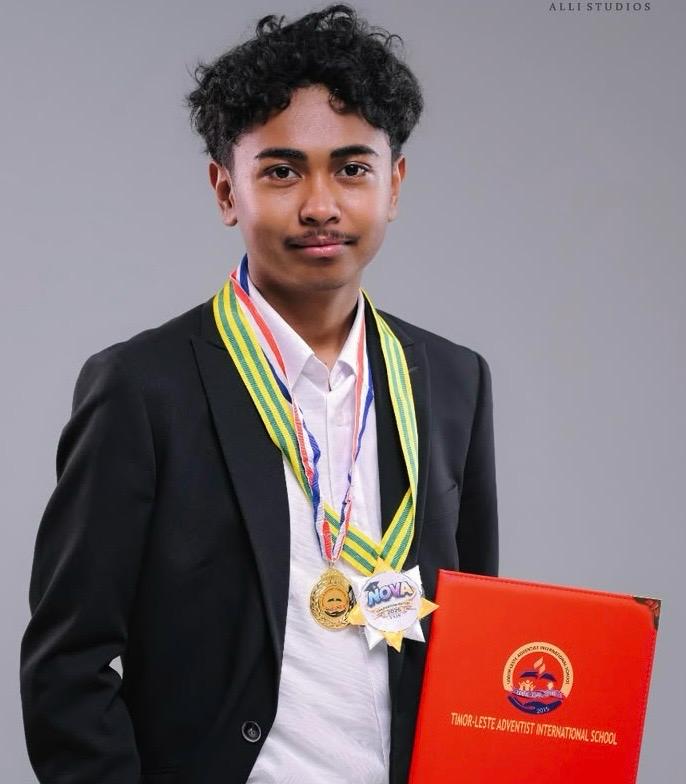
By Noah Ferreira da Silva Alves
I want to tell you the stories of a hard past that inspired me to now look for a brighter future. My mother has recently just completed a long trip from Manila. She is the Ambassador of Timor-Leste to ASEAN, and she attended ASEAN meetings including the Southeast Asian Women Ambassadors Forum on Peace in Manila, Philippines. She’s a diplomat, she has brought home many experiences and stories to tell me and my family. This one now holds a special place in me.
The stories she told me from the forum were of women fighting for a good share at the table, the dire need for diplomacy to try and keep what peace we have left in the world, and a story that teaches how reconciliation can help remind the world that peace in a chaotic world is possible.
Listening to her story and experiences opened my eyes to the extreme gap that lies between women in high positions and those who will actually listen to them and give them an equal stake at the table. There was one delegate named Ambassador Elizabeth Buensuceso who shared these words; “Don’t become too comfortable. Yes, we have a seat at the table. But do we receive the same share of the adobo?”
Women have been called a lot more to the tables of high power, although great in the grand scheme of the progression of opportunities for women, history still seems to repeat itself when these women feel that they are just another body filling a seat when nobody listens to them.
My mother continued on with how women can play a big role in the progress of diplomacy for peaceful resolutions, and how diplomacy is so important in today’s world. It is so important because with conflicts, strife, and humanitarian emergencies all over the world, diplomacy is not only needed to broker new peace deals – but to keep the peace we already have. This calls not only for competent and intelligent diplomats, but also for compassionate ones. This was the narrative brought forward by Professor Miriam Coronel Ferrer when she said “Diplomacy is inherently narrative-driven. Through language, imagery, framing, recognition, and even silence, diplomats shape perceptions, political realities, and the trajectory of conflicts.”
And after that, she told me a story that really inspired me. A story of how reconciliation between Timor-Leste and Indonesia is possible. Of how peace is like a flower that stubbornly blooms through the winter snow in spring. This was the story of a Timorese man who, in 2023, stood before his neighbour, whose past was intertwined with one of the most difficult periods in Timor-Leste’s history. He stood before the neighbor and said “In 1975, on my tenth birthday, you gave me the worst possible present by killing my parents. Today, you have given me the greatest gift by asking for forgiveness.”
This story of reconciliation between the two countries Timor-Leste and Indonesia nearly brought me to tears. Imagine carrying that memory of the people you love the most, being taken from you; to now standing face to face with one of the perpetrators who is seeking forgiveness, and accepting it. It takes a strong man to admit he’s wrong, but an even stronger man to accept and give forgiveness.
All of what my mother told me has reminded me of one thing: history is still one of the greatest teachers for our tomorrow. The dreams set off by the people of yesterday, are dreams we need to fight for today. The dreams of women marching in the streets hoping for equal opportunities for their daughters; the dreams of war crisis afflicted people hoping for peace for their children to achieve more than their forefathers; and the dreams of those displaced, hurt, and scared by the atrocities of war long passed seeking reconciliation.
These are the hopes that the generation of tomorrow needs to fight for. The hopeful fire that we need to continue to kindle. In the words of Ambassador Puja, “Right or wrong, my country. But if my country is right, keep it right. If my country is wrong, make it right.” He said this in light of the reconciliation processes that were being talked about. But it also applies to us today, to the lesson we can learn from the past: right or wrong, it’s our shared history, if history showed we were right, keep it right. But if we were wrong, let’s make it right.
When we work to achieve this, we achieve the dreams of those before us. We can acquire the gift of peace.
Noah is a young student who learned about the Southeast Asian Women Ambassadors Forum on Peace from his mother, who attended the forum in Manila in July 2026.