


WHO invites Gov’t Ministry of Health to invest in maternal health to reduce the risk of Autism
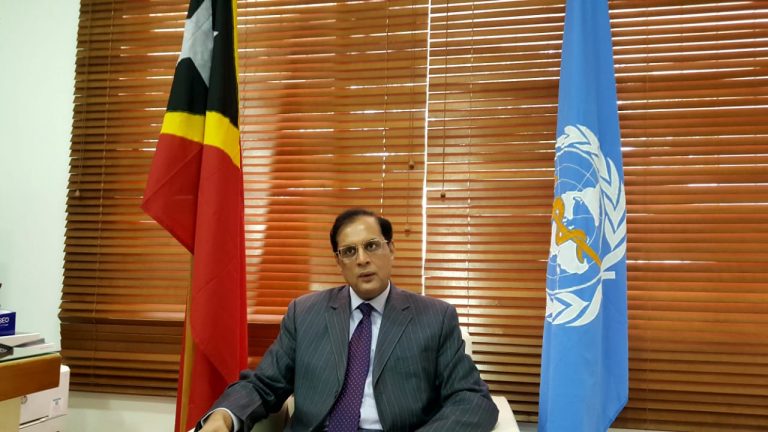
DILI, april 3, 2023 (TATOLI)- World Health Organization (WHO) calls on the Government to invest more in the health of pregnant women to reduce the factors that contribute to autism.
The Country Director of the World Health Organization (WHO) in Timor-Leste, Arvin Mathur said, autism is caused by two factors genetics and infection during the pregnancy period.
According to Director Mathur, Autism caused the development of disability which is resulting in different spectrums and different diseases, where there is be description, of social interaction or repetitive behavior.
“Autism is highly variable the work spectrum refers to how autism is experienced differently by different people. Autism is considered a spectrum because it’s different for every autistic person- some autistic people might need more support than others to live the lives they want to lead, therefore to prevent this autism, we call on the government through the Ministry of Health to invest in pregnant women and provide proper control during the anti-natal period. It is a preventive measure to ensure the child will not affect by autism,’’ The Country Director of WHO, Arvind Mathur told TATOLI Agency in Hotel Novo Tourism, Friday.
An overview of WHO about Autism-also referred to as autism spectrum disorder-constitutes a diverse group of conditions related to the development of the brain.
According to the WHO estimated data, About 1 in 100 children has autism. This estimate represents an average figure and reported prevalence varies substantially across studies. Some well-controlled studies have, however, reported substantially higher figures. The prevalence of autism in many low- and middle-income countries is unknown.
People with Autism may be detected in early childhood, but autism is often not diagnosed until much later.
The abilities and needs of autistic people vary and can evolve. While some people with autism can live independently, others have severe disabilities and require life-long care and support.
Evidence-based psychosocial interventions can improve communication and social skills, with a positive impact on the well-being and quality of life of both autistic people and their caregivers.
Care for people with autism needs to be accompanied by actions at community and societal levels for greater accessibility, inclusivity, and support.
Meanwhile, to prevent the increase in the number of Autism worldwide, WHO’s efforts focus on:
- increasing the commitment of governments to taking action to improve the quality of life of people with autism;
- guiding policies and action plans that address autism within the broader framework of health, mental and brain health, and disabilities;
- contributing to strengthening the ability of the health workforce to provide appropriate and effective care and promote optimal standards of health and well-being for people with autism; and
- promoting inclusive and enabling environments for people with autism and other developmental disabilities and providing support to their caregivers.
WHO Comprehensive mental health action plan 2013–2030 and World Health Assembly Resolution WHA73.10 for “global actions on epilepsy and other neurological disorders” calls on countries to address the current significant gaps in early detection, care, treatment, and rehabilitation for mental and neurodevelopmental conditions, which include autism. It also calls for counties to address the social, economic, educational, and inclusion needs of people living with mental and neurological disorders, and their families, and to improve surveillance and relevant research.
Journalist: José Belarmino De Sa
Editor: Nelia B.