


IOMed fosters Win-Win Cooperation, Highlighting best practices in mediation from Timor-Leste and Australia
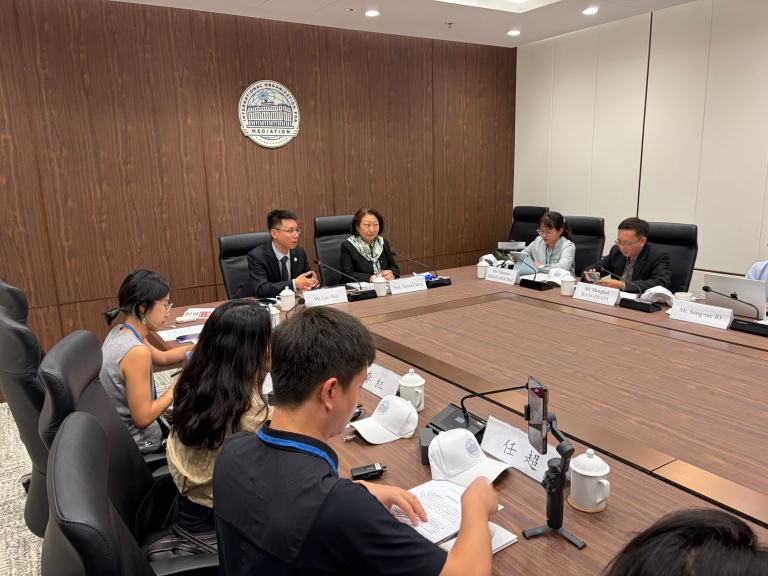
HONG KONG, 10 September 2026 (TATOLI) – The International Organization for Mediation (IOMed) marked a historic milestone by successfully resolving its first international maritime dispute involving parties from China and Singapore, as recalled and announced by IOMed Secretary-General Teresa Cheng Yeuk-wah during the Global Mediation Summit at Hong Kong’s Mediation Week.
Headquartered in the historic Old Wan Chai Police Station, the IOMed is the world’s first intergovernmental legal organization dedicated to resolving international disputes through mediation. Initiated jointly by 19 countries including China, the organization functions as an international public good on the rule of law contributed by developing nations. Bringing this institutional mission into practice, the organization recently demonstrated its capacity to foster collaborative resolutions by successfully settling its inaugural cross-border case.

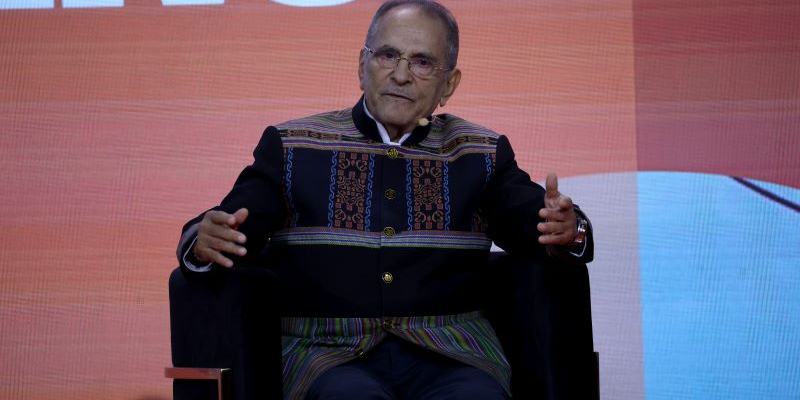
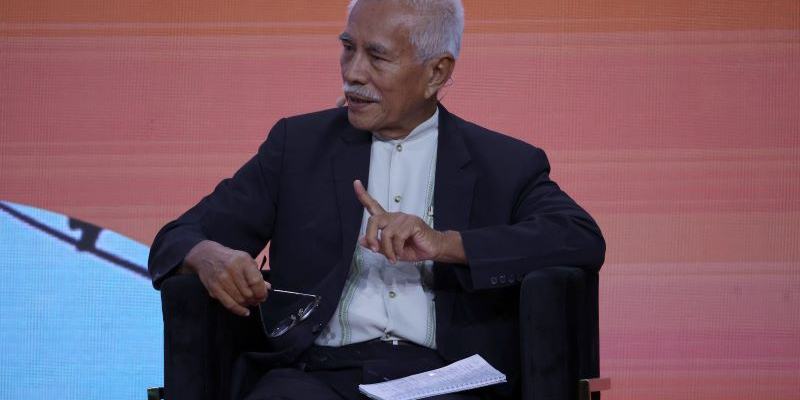
Reflecting on the complex nature of cross-border conflicts in a question managed by TATOLI, Secretary-General Teresa Cheng addressed which types of disputes are the hardest, answering that inter-state disputes are the hardest, while recognizing the experiences of Timor-Leste ON delimitation of maritime boundaries negotiation with Australia until both sign historic maritime boundary treaty, on 6th March 2018.
She also noted that a dispute involving parties from China and Singapore reached a successful resolution in early May.
“In early May, the case involving parties from China and Singapore was successfully settled and resulted in a written settlement agreement bringing the disputes across the charter party chain to a full and effective conclusion,” She stated recently in sidelines meeting with various journalist.
Elaborating on how such resolutions preserve relations and encourage cooperation, Cheng explained that the successful outcome highlights how valuable amicable dispute resolution is, proving that mediation is an effective practical method for resolving complicated maritime conflicts.
“The successful resolution demonstrates the value of amicable dispute resolution and the effectiveness of mediation as a practical means of resolving complex maritime disputes,” She remarked.
Furthermore, connecting this operational success back to regional growth, Cheng highlighted that this milestone represents a major achievement for the organization and marks an important moment for the maritime industry in the Hong Kong SAR, especially regarding its legal and dispute resolution services.
“It is also a landmark achievement for the IOMed, and a significant moment for the Hong Kong SAR’s maritime industry, particularly its maritime legal and dispute resolution services,” She declared.
To further contextualize the broader philosophy of win-win cooperation behind such settlements, summit leaders emphasized the institution’s core mission and strategic values. The foundational framework establishes the organization to serve as a vital mechanism that applies mediation to peacefully settle international disputes in line with the UN Charter, encouraging win-win cooperation and playing a crucial role in enhancing global governance, world peace, and international order stability.
Building upon this framework of harmonious dispute management, and by taking advantage of mediation’s unique traits, such as being flexible, cost-effective, convenient, and well-implemented, the organization provides every country with a fresh alternative for resolving international disputes efficiently and on a party-owned basis.
Aligning with these cooperative and flexible options, litigation, arbitration, and mediation do not replace or exclude each other, but instead work together complementarily and reinforce one another to build a well-rounded system for settling disputes. Cui Jianchun, commissioner of the Ministry of Foreign Affairs of the People’s Republic of China in the HKSAR, noted that these methods form a diverse dispute settlement system.
To handle such diverse matters and ensure disputes are managed through mutual consent, the organization provides structured mediation services. Its jurisdiction covers three primary areas:
1. Disputes between States
2. Disputes between a State and a national of another State
3. International commercial disputes between private parties
To manage these proceedings effectively, the institution maintains specialized groups consisting of the Panel of State-to-State Mediators and the General Panel of Mediators.
The successful conclusion of the China-Singapore case via a written settlement agreement across the charter party chain illustrates the direct operational capability of these specialized panels and underscores the tangible value of amicable dispute resolution.
Ultimately, this landmark resolution validates IOMed’s core mission in encouraging win-win cooperation and global governance while reinforcing Hong Kong’s expanding status as a premier global center for international legal and maritime dispute resolution services.
Meanwhile, the treaty signed by Timor-Leste and its neighbour Australia, was brokered by the Conciliation Commission established under the UN Convention on the Law of the Sea (UNCLOS) – the first of its kind.
Both countries demonstrated good will and preparedness to compromise. Although the results of the conciliation process are non-binding, both countries negotiated in good faith in order to achieve a treaty that Timor Leste, Australia and the Commission believe is fair, balanced and consistent with international law.
TATOLI