


Timor-Leste Marks 50 Years of Women’s National Day, Honours Women’s Role in Independence Struggle
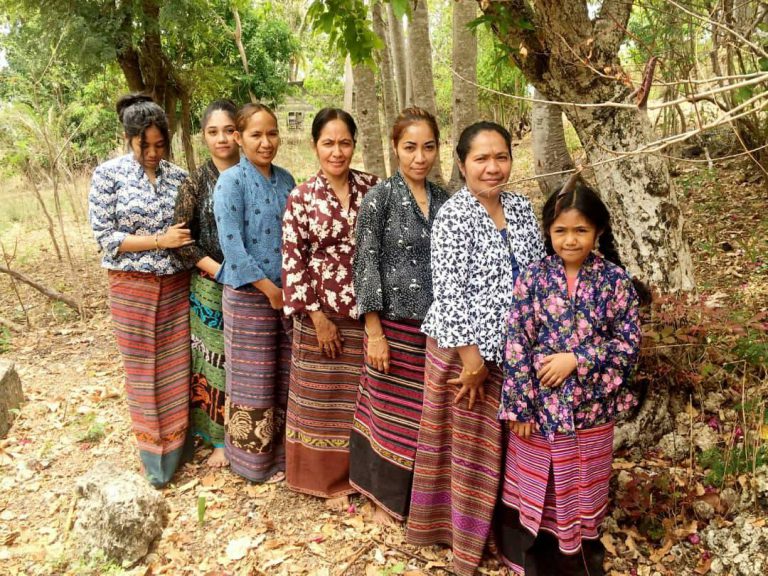
DILI, 26 October 2026 (TATOLI) – Timor-Leste has marked the 50th anniversary of its National Women’s Day with a national seminar highlighting women’s contributions to the country’s independence struggle and examining progress and remaining challenges in achieving gender equality and social inclusion.
The seminar, organised by the Government through the Secretary of State for Equality (SEI), was held at the Dili Convention Centre on October 26 under the theme “Timorese Women Celebrate 50 Years of Equality and Inclusion” and the slogan “We, the Women of Timor-Leste, Will Never Give Up and Will Continue Fighting Until We Achieve Equality and Inclusion.”
The event was officially opened by Vice-Minister of Social Solidarity and Inclusion Céu Brites, who attended in her capacity as acting Secretary of State for Equality.
In her opening remarks, Brites said the 50th anniversary provided an opportunity to honour the history of Timorese women, recognise their achievements and reflect on the challenges that still need to be addressed.
“These 50 years represent memory, learning, responsibility and a renewed commitment to future generations towards building a just and inclusive society,” she said.
The seminar also highlighted the contributions of women across the three fronts of the Timorese resistance movement during the 24-year struggle for independence.
Three women who played important roles in the resistance shared their experiences: Maria Rosa da Câmara, known as “Bisoi”, from the Armed Front; Maria Domingas Alves, known as “Micato”, from the Clandestine Front; and Maria do Céu Lopes da Silva, from the External or Diplomatic Front.
Their testimonies provided an opportunity to reflect on women’s participation in the liberation struggle and their contributions to the country’s independence.
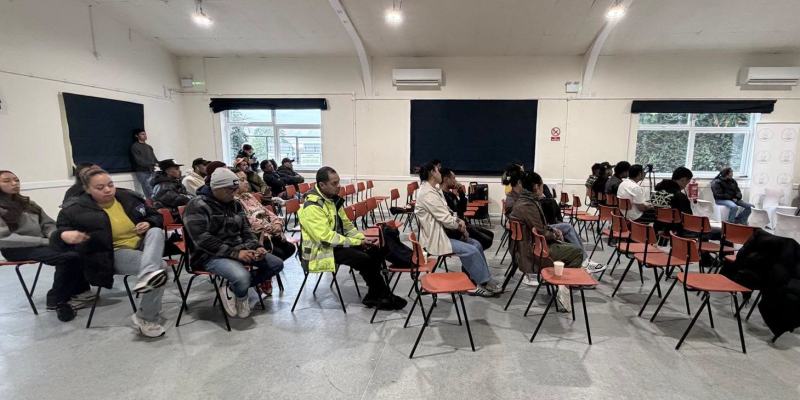
The event also featured a dialogue involving representatives of RENETIL, the November 12 Committee, religious communities, university students, people with disabilities and younger generations. Discussions focused on women’s participation in society and current challenges surrounding gender equality and inclusion.
Brites identified access to education, women’s empowerment and economic opportunities, greater participation in decision-making, and efforts to prevent and combat violence and discrimination as key priorities.
She stressed that gender equality must translate into tangible improvements in people’s lives rather than remain limited to government commitments and policy statements.
“Equality must be reflected in opportunities, budgets, programmes and public services that respond to the needs of all citizens. To build an inclusive and sustainable Timor-Leste, we need to translate our commitments to gender equality and social inclusion into concrete results in the daily lives of women and girls,” she said.
The seminar brought together government officials, members of the National Parliament, veterans and representatives of resistance organisations, relatives of Maria Tapó and other independence fighters, members of the diplomatic corps, United Nations agencies, development partners, academic institutions, judicial authorities, the National Police of Timor-Leste (PNTL), the Timor-Leste Defence Force (F-FDTL), civil society organisations, disability rights groups, activists and university students.
Timor-Leste’s National Women’s Day dates back to 1976 and commemorates the contribution of women to the national liberation struggle. It is particularly associated with the memory of Maria Tapó, a member of the Popular Organisation of Timorese Women (OPMT), who was killed in combat on November 3, 1975.
The day also honours women who participated in the resistance and contributed to the country’s independence and nation-building efforts. November 3 was officially established as a national public holiday in 2023.
The 50th anniversary celebrations will continue with an official ceremony at the Dili Convention Centre on November 6, 2026.
TATOLI