


Yemeni delegation seeks lessons from Timor-Leste’s post-conflict recovery
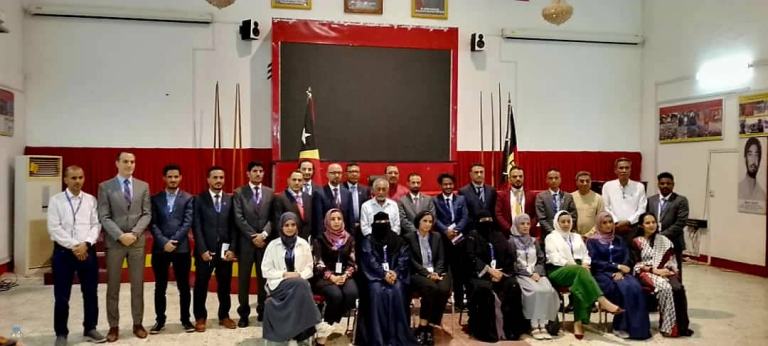
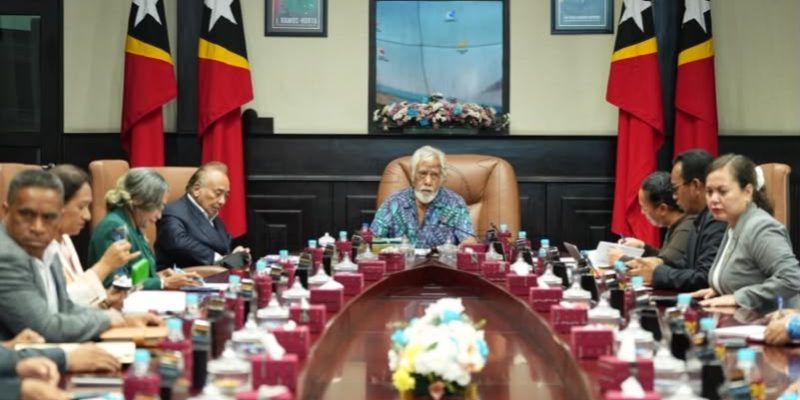
DÍLI, 02 September 2026 (TATOLI) — A delegation from the Yemeni Hikma delegation met with FRETILIN Secretary-General Mari Alkatiri in Dili on Tuesday to learn from Timor-Leste’s experience in reconciliation, peacebuilding and state-building after conflict.
The discussions covered national reconciliation, transitional justice, institutional development and the challenges of rebuilding a cohesive state after decades of political violence and the struggle for independence.
The delegation is visiting Timor-Leste from September 1 to 5 under the theme “Building an Inclusive State after Conflict: Lessons from Timor-Leste for Yemen.” The programme is funded by the Government of the Netherlands.
Yemeni Hikma brings together emerging leaders from across Yemen’s political, government, civil society, academic, media and private sectors. It seeks to strengthen leadership skills and promote peace and sustainable development.
Speaking at the meeting at FRETILIN’s Central Committee headquarters in Comoro, Yemeni Hikma Executive Director Ala Abdulrahman Sallam Qasem said the delegation wanted to understand how Timor-Leste had emerged from conflict, strengthened state institutions and pursued national reconciliation.
He said Alkatiri’s experience was particularly valuable because of his role in Timor-Leste’s independence struggle and the subsequent process of building the country’s institutions.
The delegation has also visited Sri Lanka and Colombia to examine different approaches to peacebuilding and compare experiences of countries emerging from conflict.
Qasem said reconciliation should be seen not only as a way of addressing the legacy of conflict but also as an important instrument for strengthening national unity and building a stable state.
Alkatiri said he had briefed the delegation on Timor-Leste’s historical journey, from the challenges of colonial rule and the struggle for self-determination to the establishment and consolidation of public institutions.
The delegation’s five-day programme includes meetings with several Timorese institutions to examine different aspects of post-conflict recovery and governance.
The delegation met with the Centro Nacional Chega! (CNC) and Interior Minister Francisco Guterres to discuss internal security, community conflict prevention and reconciliation policies.
It is also scheduled to meet Petroleum and Mineral Resources Minister Francisco da Costa Monteiro to learn about Timor-Leste’s experience in state-building, institutional development and national reconstruction.
The visit comes as Yemen remains deeply divided after more than a decade of conflict, with rival political and military forces controlling different parts of the country.
The Houthi movement controls large parts of northern Yemen, including the capital, Sana’a, and has established its own governing structures.
The internationally recognised government is represented by the Presidential Leadership Council, which maintains support in several parts of the country, including Marib and Taiz provinces.
In southern Yemen, the Southern Transitional Council remains a major political and military actor. Formed in 2017 and backed by the United Arab Emirates, the separatist movement has advocated greater autonomy or independence for the south.
The Yemeni Hikma delegation is therefore seeking to draw on Timor-Leste’s experience as it examines ways to address conflict, strengthen institutions and promote reconciliation in Yemen.
The visit is being carried out through cooperation between Yemeni Hikma, the g7+ and the CNC to facilitate the exchange of experiences on peacebuilding, reconciliation, governance and development in post-conflict settings.
Journalist: Natalino Costa
Editor: Evaristo Soares Martins
Translation: Filomeno Martins